


How Camp Builds the Confidence & Independence Your Child Needs
posted: February 12, 2026By: Heath
Do you wonder each morning at school drop-off, “Will they be okay without me today? Do they have what they need to succeed?” Most parents do! We want them to be resilient, and we want them to believe in themselves when things get difficult.
In my years as both a camp director and an educator (I spent a decade in the classroom before making camp my full-time life), I have learned that independence and confidence are built slowly through small victories, safe failures, and the profound realization that they can navigate the world on their own.
Camps provide environments and build community based on strong values such as generosity, respect, empathy, endurance and nurture. The outcome, when these values are encouraged and when children feel safe and welcome, is that confidence and independence are naturally developed.
What does this look like in camp and out in the real world? It happens on the bus, at camp activities and in the small moments and transitions between activities.
Conquering the Pool
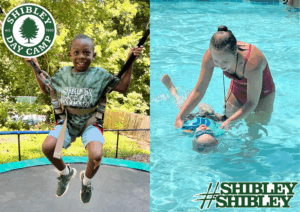
There is perhaps no greater metaphor for independence than learning to swim. It is a physical skill, yes, but it is also a massive psychological hurdle. It requires trusting your own body in an environment that feels unnatural. It requires Endurance—a common value that camps focus on within their programming and culture.
Joseph’s parents state that prior to camp, he “loved the water but was not really swimming.” They had tried private lessons and weekend trips to the pool, but progress was slow. He was comfortable on the steps, safe near the ledge, but terrified of the deep end.
At camp, we don’t force; we encourage. Joseph’s parents noted that it only took “5 days of camp” to completely change his mindset. By the end of the summer, the child who was scared to be carried into the deep end was jumping off the diving board at his town pool.
Why did it happen so fast at camp? Because at camp we have something I like to call “Positive Peer Pressure”. When a child sees their friend try, they want to try. It is powerful for the child to watch a peer or even a staff member try something new and fail the first time. What happens next is what really matters! In a supportive camp environment, children are likely to keep trying rather than getting frustrated and giving up.
When a child like Joseph conquers the pool, he isn’t just learning to swim. He is learning that he can do hard things. He learns that fear is temporary and that with practice, he can accomplish his goals. That is a confidence that follows him back to the classroom in September when he’s faced with a difficult math problem or a new social group.
Practicing for Life in “The Camp Bubble”
Transitions are hard. For many children, the transition from the safety of home to the structure of school is the first major challenge of their young lives. This is where the “camp bubble” becomes a vital training ground.
Camp provides a unique environment—it is structured like school, but without the academic pressure. It allows children to practice separation, adaptability, and socialization in a place designed for fun.
Skylar’s parents shared that prior to her first summer, she found it “difficult at first to get used to each level of daycare… and drop off was generally very difficult.” Separation anxiety is real and can be painful for both the child and the parent who has to walk away.
Camp changes the narrative because the days are filled with the excitement of activities and special events where the distraction outweighs the anxiety. The environment is “down-to-earth” and welcoming, which lowers the barrier to entry for anxious kids.
Skylar’s parents told us, “After her time at Shibley, her transition to Kindergarten was seamless. She is so happy at school (from day 1) and we believe much of that comes from the confidence she gained at camp.”
When a child realizes they can leave mom and dad, have an amazing day, and come home safe and happy, the world becomes a little less scary. They can say to themselves, “I was nervous at camp, but I ended up having fun. I can do this at school, too.”
Nurturing the Whole Child
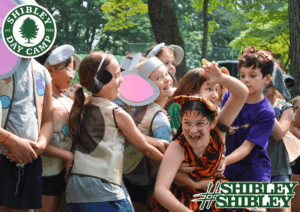
At camp, we don’t just hire counselors; we hire mentors who are trained in child development and are prepared to provide a little extra Nurture when necessary.
We saw an incredible change in Suzie, a camper who came to us as an anxious child with some behavioral challenges. Suzie’s parents described her previous school experience as “explosive,” noting that she struggled to regulate her emotions in a traditional setting.
At camp, surrounded by a staff dedicated to understanding and meeting her specific needs she has transformed.
“She has gone from an anxious child… to a more mature and peaceful child—excelling in school to the point that they don’t believe she was explosive at her old school.”
When a child feels truly seen and understood by an adult other than their parent, their self-esteem skyrockets. They stop acting out of anxiety and start acting out of confidence. The tools Suzie learned at camp “definitely carried over to home and school life,” proving that the lessons of camp last far longer than the summer.
From Anxious Camper to Strong Leader
Sammy started as a camper who needed help tying his shoes and opening his lunch. Sammy is now entering his 10th summer at camp. He has grown up on the grounds. In his recent Bar Mitzvah speech, he mentioned camp as “an important piece of his growing up.”
Now, he wants to be the one helping the next generation of campers. He views Shibley as “home” and credits the staff for inspiring him to be a better friend and leader. When a child feels such a deep sense of belonging that they want to give back to the place that raised them, we know we have succeeded.
Sammy ‘s parents say he is “constantly talking about the importance of being kind to others and making memories with friends.” This is the ultimate evolution of confidence and independence as Sammy becomes a leader within his peer group and in the camp environment.
The Hidden Curriculum of Camp
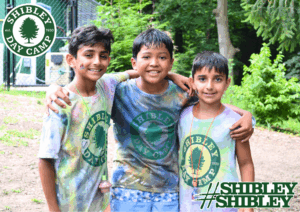
Beyond these beautiful individual stories, there is a “hidden curriculum” at camp that builds independence in small, practical ways every single day. These are the things you might not see on the schedule, but they are vital for development:
- The Bus Ride: For many, this is the first time riding a vehicle without a parent. Navigating the social dynamics of the bus—choosing a seat, talking to older or younger kids, following the bus counselor’s instructions—builds massive social confidence. It is their first taste of “commuter” independence.
- The Changing Room: It sounds simple, but changing into swim gear twice a day fosters critical self-help skills. Children learn to manage their belongings, keep their area tidy, and ask for help when they need it. They learn that they are responsible for their own stuff.
- The Adventure Park: When a child stands at the bottom of the zip line or the rock wall, they are making a personal choice. They are calculating risk and overcoming nerves. That adrenaline rush of success—or the resilience of trying and failing—is pure confidence fuel.
- Choice and Empowerment: Whether it is choosing an elective activity or deciding what to create in arts and crafts, camp gives children autonomy. In school, they are often told exactly what to do. At camp, they learn to ask, “What do I want to do?” and then pursue it.
When you send your child to camp, you aren’t just paying for swim lessons and gaga. You are investing in their character. You are giving them a safe space to practice being independent, to reinvent themselves away from the pressures of school, and to discover that they are capable, resilient, and strong.
