The Shibley Glossary – Part 1

The Shibley Glossary

At Shibley Day Camp, sometimes we use our own language! Here is a glossary of words you might hear around camp or read in camp communications.

  • “Shibley Shibley”
    • This is our “Aloha” – it can mean: “Hello”, “Goodbye”, “Good Morning”, “Have a good night” or “See you tomorrow”.
  • “Happy GREEN Friday” or “Have a GREEN Friday”
    • This is our way of reminding everyone in our community to show or recognize Generosity, Respect, Endurance, Empathy & Nurture.
  • Camp Grade
    • The grade a child will be in after camp ends.
  • Junior Camp
    • Camp Grade = Nursery, Pre-K, Kindergarten or 1st grade.
    • Groups are broken up by age and grade.
    • Group names will start with Nursery (N) for Nursery and Pre-K and Junior Girls (JG) or Junior Boys (JB) for Kindergarten and 1st grade groups.
  • Senior Camp
    • Camp Grade = 2nd through 8th grades.
    • Groups are broken up by camp grade.
    • Group names will start with Senior Girls (SG) or Senior Boys (SB).
  • Super Seniors
    • A subset of senior camp.
    • Camp Grade = 5th through 8th grades.
    • Group names will start with Super Senior Girls or Super Senior Boys.
  • Sleepaway Week
    • This is an optional one week trip for 3rd to 8th grade campers to Club Getaway in Kent, Connecticut. 
    • Campers stay overnight in bunks with Shibley counselors. Shibley directors, lifeguards and health center staff accompany the campers as well.
  • CIT or Counselor in Training
    • An extension of senior camp.
    • 9th & 10th grade campers who assist children under the supervision of trained counselors.
    • CITs also participate in activities with their peers each day at camp.

  • Squad
    • A smaller set of campers within the group generally supervised by one specific staff member in the group.
  • GL or Group Leader
    • The adult in charge of one specific group at camp.
  • AGL or Assistant Group Leader
    • A second adult responsible for supporting the Group Leader, who is training to assume a Group Leader role in the future.
  • Counselor
    • Staff member assigned to oversee a squad of campers within their group.

  • Specialist
    • Staff member assigned to work in one activity area in camp – for example: Arts & Crafts, Adventure Park, Junior Drama, Athletics, etc.
  • Instructional Swim
    • All campers participate in one daily 30-minute period of American Red Cross swim instruction taught by Water Safety Instructors and supervised by Nassau County certified lifeguards.
  • Free Swim or Recreational Swim
    • All campers participate in one daily 30-minute (junior camp) or 45-minute (senior camp) swim period that is purely for enjoying the pools with friends.
    • Pools are overstaffed and supervised by lifeguards, group leaders and counselors.
  • AirGoBeach
    • A group will be assigned to Air Bungee, Go Karts and Beach Volleyball at the same time so that all campers are active. This is our top priority when it comes to programming at Shibley.
    • These activities are all next to each other making supervision and organization simple.
  • Options
    • Senior campers have “Options” in their schedule as they progress through senior camp and become super seniors so they can do more of what they love or try something new if they feel so inclined.
  • Leagues
    • Senior campers participate in intramural style athletic “Leagues” intentionally programmed to include and encourage campers with all levels of athletic ability.
  • Tournaments
    • In Senior Camp we have a few traditional tournaments that we hold at the end of the summer.
      • 2nd Grade – World Cup – Soccer
      • 3rd & 4th Grade Girls – Jeannie Cup – Newcomb
      • 3rd & 4th Grade Boys – Goose Cup – Field Hockey
      • Super Senior Girls – Kulchin Bowl – Flag Football
      • Super Senior Boys – World Series – Softball
    • Our oldest campers in Junior Camp will participate in a tournament called the “Kickball Cup” to get them started.
  • Special Events:
    • Additional activities, dress up days and events that take place in addition to the daily program of awesome activities i.e.,
      • Carnival Day, GREEN Fridays, Olympics, Show Week, dress up days and more!
    • A Shibley Glossary update with more detail about our Special Events calendar is coming next…

A Balanced Schedule for a Fun-Filled Summer at Shibley

My name is Melissa Slansky, and my job is to create a balanced, engaging schedule that allows our campers to grow, explore, and most importantly, have an incredible summer. Every detail is thoughtfully planned to ensure a perfect mix of structured and unstructured activities, including arts, sports, adventure, and creative play.

Our Core Activities

  • Aquatics: Swimming is an essential part of our day. We have two swims daily: one instructional swim focused on skill development and safety, and one recreational swim where campers can relax and play with friends.
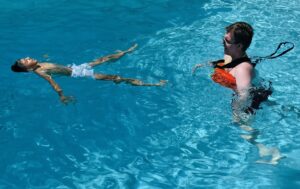
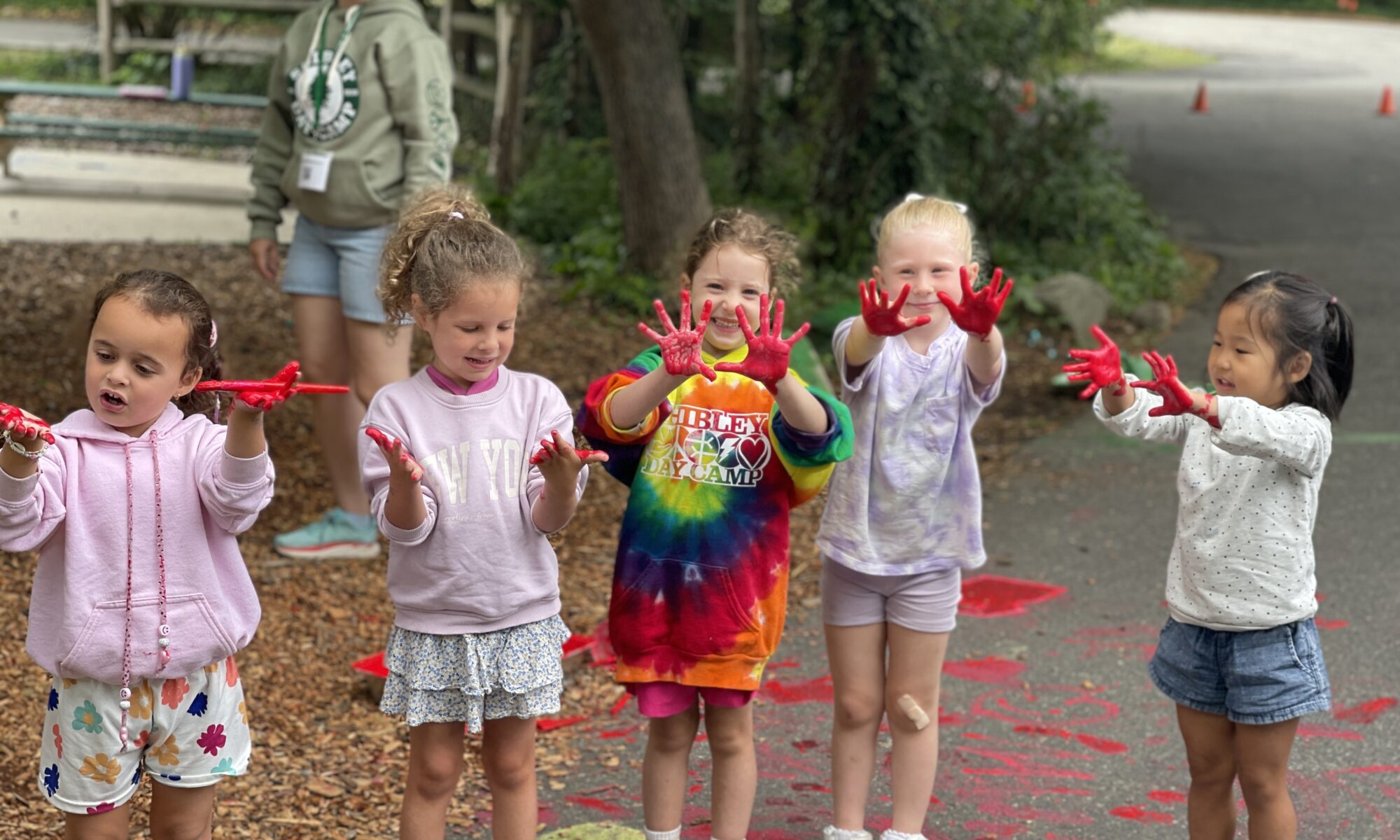
  • The Arts: Our diverse program includes arts and crafts, cooking, dance, science & nature, theater, and a new jewelry-making activity. We ensure every schedule includes a rotation of these activities, giving campers the chance (sometimes with a little gentle nudging) to discover new interests.

    • Spotlight: Campers in 3rd through 8th grade have the opportunity to audition for our summer theater shows.

  • Athletics: We expose campers to a wide variety of sports, including soccer, flag football, basketball, Newcomb, volleyball, kickball, baseball, pickleball, tennis, and hockey. We focus on building confidence by designing games everyone can enjoy, regardless of their skill level.

    • Senior Camp Feature: Our older campers participate in organized leagues and tournaments that promote teamwork, sportsmanship, and leadership.

  • Adventure: This is where campers learn to take risks and build confidence! Children of all ages navigate elements in the Junior and Senior adventure parks, bounce and flip on the air bungee, and drive go-karts. Overcoming these fears together helps them realize they can achieve things that may look scary at first.
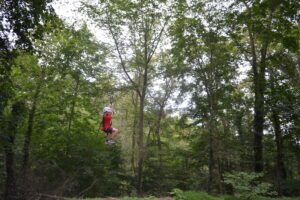
We also include dedicated time for our playgrounds and creative play areas. This scheduled “unstructured time” fosters imagination and social-emotional development.
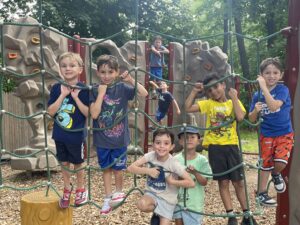
Why We Balance the Schedule:

  1. Confidence: We want everyone to have an activity each day that they love and excel in.

  2. Energy Management: We want campers to be physically active but also have “down time” to rest… “Smiling, Tired & Dirty” but not so exhausted that they can’t enjoy the next day. We are counting the days until we are all together again and look forward to another amazing summer at Shibley Day Camp!
How Camp Builds the Confidence & Independence Your Child Needs

Do you wonder each morning at school drop-off, “Will they be okay without me today? Do they have what they need to succeed?” Most parents do! We want them to be resilient, and we want them to believe in themselves when things get difficult.

In my years as both a camp director and an educator (I spent a decade in the classroom before making camp my full-time life), I have learned that independence and confidence are built slowly through small victories, safe failures, and the profound realization that they can navigate the world on their own.

Camps provide environments and build community based on strong values such as generosity, respect, empathy, endurance and nurture. The outcome, when these values are encouraged and when children feel safe and welcome, is that confidence and independence are naturally developed.

What does this look like in camp and out in the real world? It happens on the bus, at camp activities and in the small moments and transitions between activities.

Conquering the Pool

There is perhaps no greater metaphor for independence than learning to swim. It is a physical skill, yes, but it is also a massive psychological hurdle. It requires trusting your own body in an environment that feels unnatural. It requires Endurance—a common value that camps focus on within their programming and culture.

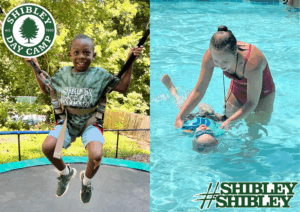
Joseph’s parents state that prior to camp, he “loved the water but was not really swimming.” They had tried private lessons and weekend trips to the pool, but progress was slow. He was comfortable on the steps, safe near the ledge, but terrified of the deep end.

At camp, we don’t force; we encourage. Joseph’s parents noted that it only took “5 days of camp” to completely change his mindset. By the end of the summer, the child who was scared to be carried into the deep end was jumping off the diving board at his town pool.

Why did it happen so fast at camp? Because at camp we have something I like to call “Positive Peer Pressure”. When a child sees their friend try, they want to try. It is powerful for the child to watch a peer or even a staff member try something new and fail the first time. What happens next is what really matters! In a supportive camp environment, children are likely to keep trying rather than getting frustrated and giving up.

When a child like Joseph conquers the pool, he isn’t just learning to swim. He is learning that he can do hard things. He learns that fear is temporary and that with practice, he can accomplish his goals. That is a confidence that follows him back to the classroom in September when he’s faced with a difficult math problem or a new social group.

Practicing for Life in “The Camp Bubble”

Transitions are hard. For many children, the transition from the safety of home to the structure of school is the first major challenge of their young lives. This is where the “camp bubble” becomes a vital training ground.

Camp provides a unique environment—it is structured like school, but without the academic pressure. It allows children to practice separation, adaptability, and socialization in a place designed for fun.

Skylar’s parents shared that prior to her first summer, she found it “difficult at first to get used to each level of daycare… and drop off was generally very difficult.” Separation anxiety is real and can be painful for both the child and the parent who has to walk away.

Camp changes the narrative because the days are filled with the excitement of activities and special events where the distraction outweighs the anxiety. The environment is “down-to-earth” and welcoming, which lowers the barrier to entry for anxious kids.

Skylar’s parents told us, “After her time at Shibley, her transition to Kindergarten was seamless. She is so happy at school (from day 1) and we believe much of that comes from the confidence she gained at camp.”

When a child realizes they can leave mom and dad, have an amazing day, and come home safe and happy, the world becomes a little less scary. They can say to themselves, “I was nervous at camp, but I ended up having fun. I can do this at school, too.”

Nurturing the Whole Child

At camp, we don’t just hire counselors; we hire mentors who are trained in child development and are prepared to provide a little extra Nurture when necessary.

We saw an incredible change in Suzie, a camper who came to us as an anxious child with some behavioral challenges. Suzie’s parents described her previous school experience as “explosive,” noting that she struggled to regulate her emotions in a traditional setting.

At camp, surrounded by a staff dedicated to understanding and meeting her specific needs she has transformed.

“She has gone from an anxious child… to a more mature and peaceful child—excelling in school to the point that they don’t believe she was explosive at her old school.”

When a child feels truly seen and understood by an adult other than their parent, their self-esteem skyrockets. They stop acting out of anxiety and start acting out of confidence. The tools Suzie learned at camp “definitely carried over to home and school life,” proving that the lessons of camp last far longer than the summer.

From Anxious Camper to Strong Leader

Sammy started as a camper who needed help tying his shoes and opening his lunch. Sammy is now entering his 10th summer at camp. He has grown up on the grounds. In his recent Bar Mitzvah speech, he mentioned camp as “an important piece of his growing up.”

Now, he wants to be the one helping the next generation of campers. He views Shibley as “home” and credits the staff for inspiring him to be a better friend and leader. When a child feels such a deep sense of belonging that they want to give back to the place that raised them, we know we have succeeded.

Sammy ‘s parents say he is “constantly talking about the importance of being kind to others and making memories with friends.” This is the ultimate evolution of confidence and independence as Sammy becomes a leader within his peer group and in the camp environment.

The Hidden Curriculum of Camp

Beyond these beautiful individual stories, there is a “hidden curriculum” at camp that builds independence in small, practical ways every single day. These are the things you might not see on the schedule, but they are vital for development:

  • The Bus Ride: For many, this is the first time riding a vehicle without a parent. Navigating the social dynamics of the bus—choosing a seat, talking to older or younger kids, following the bus counselor’s instructions—builds massive social confidence. It is their first taste of “commuter” independence.
  • The Changing Room: It sounds simple, but changing into swim gear twice a day fosters critical self-help skills. Children learn to manage their belongings, keep their area tidy, and ask for help when they need it. They learn that they are responsible for their own stuff.
  • The Adventure Park: When a child stands at the bottom of the zip line or the rock wall, they are making a personal choice. They are calculating risk and overcoming nerves. That adrenaline rush of success—or the resilience of trying and failing—is pure confidence fuel.
  • Choice and Empowerment: Whether it is choosing an elective activity or deciding what to create in arts and crafts, camp gives children autonomy. In school, they are often told exactly what to do. At camp, they learn to ask, “What do I want to do?” and then pursue it.

When you send your child to camp, you aren’t just paying for swim lessons and gaga. You are investing in their character. You are giving them a safe space to practice being independent, to reinvent themselves away from the pressures of school, and to discover that they are capable, resilient, and strong.

A Full Circle Moment – Camp is the BEST!

My Full Circle Moment

For over 30 years, I’ve had the privilege of working at Shibley Day Camp that has been a significant part of my life. It’s a place where kids grow, learn, and make memories, and for me, it’s been a journey of growth, too. Over the years, I’ve worn many hats—from being a sports specialist to leading groups, and now, as the Associate Director, my role has evolved in ways I never could’ve imagined. But one thing has always stayed the same: the joy of getting to know the campers and their families.

Being a group leader was always one of the most rewarding parts of my job. It wasn’t just about overseeing activities or making sure everything ran smoothly—it was about building relationships. Watching the campers grow over the course of a summer, seeing them face challenges, discover new interests, and form friendships, was something truly special. As a group leader, I had the privilege of knowing each child on a personal level, understanding their strengths and quirks, and guiding them through the ups and downs of camp life.

But perhaps one of the most rewarding aspects was seeing the families that came through the camp year after year. It wasn’t just the kids who were growing—our entire camp family was evolving, and I had the pleasure of getting to know these families in such a meaningful way.

Now, as the Associate Director, my role has shifted. I’m no longer in the trenches with the kids every day (I do jump in from time to time-I just can’t help it!!!), but I’m still very much connected to the heart of the camp. I get to hire the incredible staff who will create the next generation of memories for our campers. It’s a responsibility I don’t take lightly. The camp culture is so important, and ensuring that the staff is not only qualified but also shares the same passion for the camp experience is key.

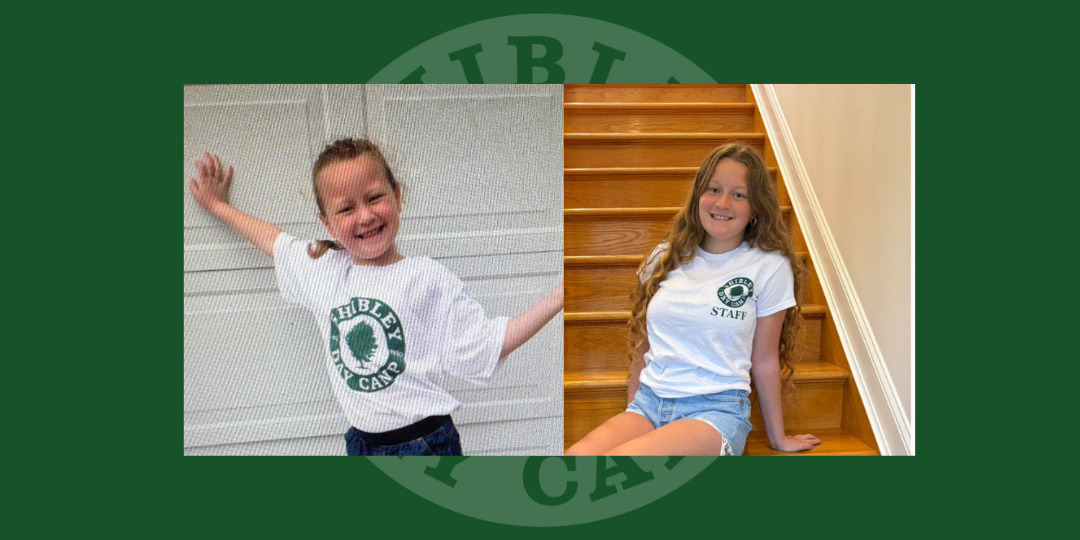
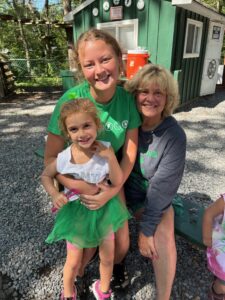
One of the most amazing parts of this phase of my career is that I’m now hiring some of the very same kids I watched grow up at camp. These campers, who were once 6 years old, are now old enough to be staff members themselves. As a matter of fact, one of my campers from years ago came back to camp this summer as a counselor.  She’s not only a skilled and compassionate counselor, but also a counselor to my 3 year old granddaughter! Watching this beautiful, full circle connection unfold has truly been an emotional experience.

It’s a surreal experience to see these once campers, who held my hand on their first day of camp become counselors who are confident young adults now ready to take on leadership roles. These young adults bring a unique perspective to the table. They understand the camp experience from the inside out, and they bring with them a passion and enthusiasm that’s contagious. It’s heartwarming to know that their experiences here shaped them into the people they are today, and now they’re ready to give back to the next generation of campers.

It’s also a reminder of how much the camp means to the families and the community. To see former campers return as staff members is proof that the camp is more than just a summer job. It’s a place that leaves a lasting impression and creates a sense of belonging that lasts long after the summer ends.

Working at Shibley for over three decades has been more than a job—it’s been a journey. From being a sports specialist to group leader to now having the honor of hiring the next generation of staff, I am constantly reminded of the impact that summer camp has on young lives. And as I watch my former campers become the leaders of tomorrow, I feel incredibly fortunate to have been a part of their journey from the very beginning. It’s truly a full circle moment, and one that fills me with pride and gratitude every single day.

Camp Prepares Children for the “Real World”

Originally posted April 2023

Children who spend time at camp each summer show self-confidence, resilience and independence out in the “real world”. Within the camp environment, children are willing to take risks, which is what leads to them developing these critical skills.

Why/how does this happen?

  • Camp creates an environment where children feel safe, loved and supported.
  • We switch from “Try this, do that!” to “Let’s all try this together!”
    • Positive peer pressure under the supervision of well-trained staff = children trying new things without even thinking about it.
  • We provide language for a child to say, “I’m not comfortable with or ready for that yet.”
    • Our staff models this language and the empathy that must be shown when someone decides they aren’t quite ready to climb the wall or go down the zip line.
  • We congratulate those who accomplish their goals AND those who show resilience in trying to reach a goal, even if they haven’t quite gotten there yet.
  • In other environments children have often decided the answer is NO before they hear the question.
    • At camp they are excited to have new opportunities presented from different voices.
  • Children observe other children overcome fears right before their eyes and see that this transformation is possible.
  • Camp is focused on the social, emotional & physical growth of a child; this is what we care about above all.
  • Camp provides intentional but also natural opportunities for children to practice and build these skills.

What does it look like in the “real world”?

  • A child volunteers to play goalie or speaks up to say they DON’T want to be goalie when asked, instead of just agreeing to avoid conflict.
  • A child who is usually very quiet in class decides to run for a student government position.
  • A child who wouldn’t go near the pool before summer began is at grandma’s house pulling their parent’s hand towards the pool so they can be the first one in.
  • A child visits an amusement park and surprises their parent by being comfortable trying a scary ride.
  • A child who used to shy away from character appearances at parties/theme parks now runs to the character to give a high five or is at least willing to stay in the same room as the character.
  • A child comes home from the first day of school talking about making friends for the first time on the first day.
  • A child enters a “drop off” birthday party or event with no hesitation for the first time.

These are just a few of the examples reported back to camp leadership from year to year. What has your child done out in the “real world” that was influenced by building self confidence, independence and resilience at camp?

A Parent’s Guide: Key Questions for Picking a Sleepaway Camp

Looking for information about the Shibley Day Camp Sleepaway Week at Club Getaway – CLICK HERE

Finding the right sleepaway camp can feel like navigating a massive, tempting menu—so many delicious options! To help you move from overwhelmed to informed, here is a guide to the key questions you should ask yourselves to narrow your search and find the perfect fit for your family.

Logistics: Where and For How Long?

  • Distance from Home: How far are you willing to travel? While many parents worry about being too far in case of a real emergency (“What if I have to drive to camp?”), you are placing your trust in camp professionals to make quick, safe decisions on-site. In a true emergency, they are the first responders. Whether a camp is a quick car ride or a plane trip away, your faith must be in the leadership and staff.
  • Session Length: Sleepaway camp is no longer just eight weeks. Are you looking for a full summer, a first or second half, or shorter sessions? Shorter terms and the option to extend on visiting day can be ideal if your family has travel plans or if you are unsure about a full-summer commitment.
  • Co-ed, Single-Gender, or Sibling Camps: Do you prefer a co-ed environment or a single-gender experience? If you have multiple children, consider if a traditional brother-sister camp (separate programs with shared values) is best, or if your children should attend entirely different camps based on their individual needs.

Program: Specific Focus or All-Inclusive?

  • Activity Focus: What kind of experience is your child seeking? Are you looking for a program that is specifically geared towards a single activity, such as a sports-intensive camp or a creative arts focus? Or would a traditional “general” camp with a wide variety of activity options be a better fit?
  1. Culture & Leadership: Beyond the Bells and Whistles
  • Mission, Values, and Culture: Most camps have similar “shiny things”—great facilities and activity lists. To truly differentiate them, look deeper. What are the camp’s core mission, values, and traditions? What is the prevailing camp culture?
  • Director’s Philosophy: When choosing a camp, you are not just selecting a space; you are choosing who is running the show. Who is at the top? Think about the interactions you’ve had with the directors. Their philosophy is the foundation of the camp, and it trickles down to every staff member. Who do you think your kids would be comfortable approaching with a problem? If you felt a stronger connection with one camp director over another, that is often the best indicator of a good fit for your family.

The Decision Process: Final Steps

  • Individual Needs: While the goal is often to have all your children in one spot, you must remember that every child is different. What might be the best place for one child may not be the right fit for another.
  • Limit Your Search: Do not visit too many camps; seeing endless options only leads to confusion. As the parent, you should narrow the search down to your top two or three choices first. Then bring your child(ren) into the mix. This is a very big decision, and while their input is valuable, you ultimately know what is best for them.

Read some previous Blogs about this topic: